
The transportation industry is in the midst of a profound transformation, driven by a combination of technological innovation, environmental concerns, evolving consumer behavior, and global economic shifts. From electric vehicles to autonomous logistics, today’s tms software sector is redefining the future of mobility in ways that are more connected, sustainable, and intelligent than ever before.
One of the most significant trends is the rapid electrification of transportation. Electric vehicles (EVs), once a niche market dominated by early adopters, are now becoming mainstream thanks to advances in battery technology, government incentives, and growing environmental awareness. Major automotive manufacturers are racing to electrify their fleets, while new entrants like Tesla, Rivian, and Lucid Motors continue to push the boundaries of performance and design. Public transportation systems are also going electric, with electric buses, trams, and even ferries being adopted in urban centers around the world. This shift not only reduces greenhouse gas emissions but also decreases reliance on fossil fuels and improves air quality in densely populated areas.
Autonomous transportation is another groundbreaking trend reshaping the industry. Self-driving vehicles, though still in the testing and early deployment phase, promise to revolutionize how people and goods move. Companies like Waymo, Cruise, and Uber are investing heavily in developing reliable autonomous driving systems, with applications ranging from ride-sharing to long-haul trucking. These vehicles have the potential to reduce traffic accidents, increase efficiency, and lower operational costs. However, the transition to autonomy is complex, requiring not just technological readiness but also regulatory frameworks, public acceptance, and infrastructure upgrades.
The integration of artificial intelligence (AI) and big data is also playing a transformative role in transportation. AI algorithms are being used to optimize routes, predict maintenance needs, manage traffic flows, and personalize user experiences. Smart transportation systems powered by data analytics are enabling real-time decision-making and predictive insights, making logistics and transit services more efficient than ever. Urban planners and transport authorities are increasingly relying on data to design smarter cities that support seamless multimodal mobility—from buses and trains to bikes and scooters—all interconnected through integrated platforms.
Sustainability is no longer a secondary concern but a central pillar of transportation strategy. Beyond electrification, the industry is exploring alternative fuels such as hydrogen, biofuels, and synthetic fuels to decarbonize sectors that are harder to electrify, like aviation and shipping. Moreover, there is a growing push toward circular economy principles, such as designing vehicles for reuse and recycling and minimizing waste throughout the supply chain. Green infrastructure investments, like charging networks and clean ports, are being prioritized by governments and private players alike to support long-term environmental goals.
Another key trend is the rise of mobility-as-a-service (MaaS), which emphasizes user-centric, on-demand transportation options. Instead of owning cars, more people are opting for flexible, subscription-based mobility solutions that combine public transit, ride-hailing, bike-sharing, and even air taxis into a single, app-based service. This approach is gaining traction, particularly in urban areas where traffic congestion and parking are constant challenges. MaaS not only enhances convenience but also aligns with sustainability objectives by encouraging shared rather than individual vehicle use.
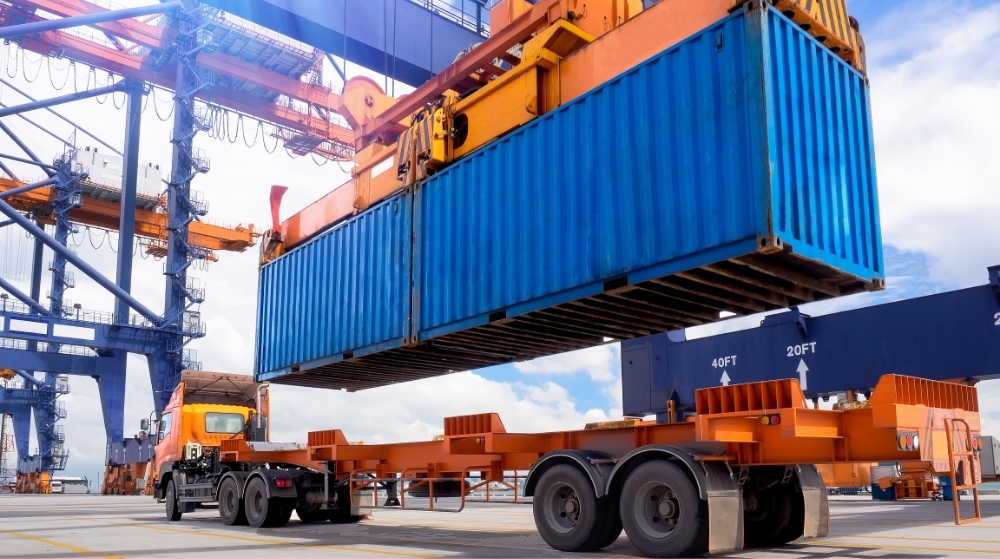
Lastly, global supply chain disruptions and the growth of e-commerce are reshaping freight and logistics. The pandemic exposed vulnerabilities in traditional logistics models, prompting a move toward more resilient, technology-driven supply chains. Innovations such as drone deliveries, autonomous freight vehicles, and real-time tracking systems are becoming increasingly prevalent. Logistics companies are also investing in warehouse automation, predictive analytics, and digital platforms to meet rising consumer expectations for speed and transparency.
In conclusion, the transportation industry is undergoing a fundamental evolution marked by electrification, automation, digitization, and sustainability. These trends are not only changing how we move people and goods but also redefining the economic and environmental fabric of our societies. As these technologies mature and integrate, the future of transportation promises to be cleaner, smarter, and more inclusive than ever before.