
Introduction — Setting the Scene
Have you ever stood at the end of a packing line and wondered why a steady shift can suddenly turn into a bottleneck? I have. The scenario is familiar: a busy production run, a pile of filled cartons waiting, and a handful of staff trying to keep machines humming. The hard fact is that firms lose hours to misfeeds and slow changeovers; a recent survey suggested packaging downtime can shave off 5–12% of expected throughput in a month.
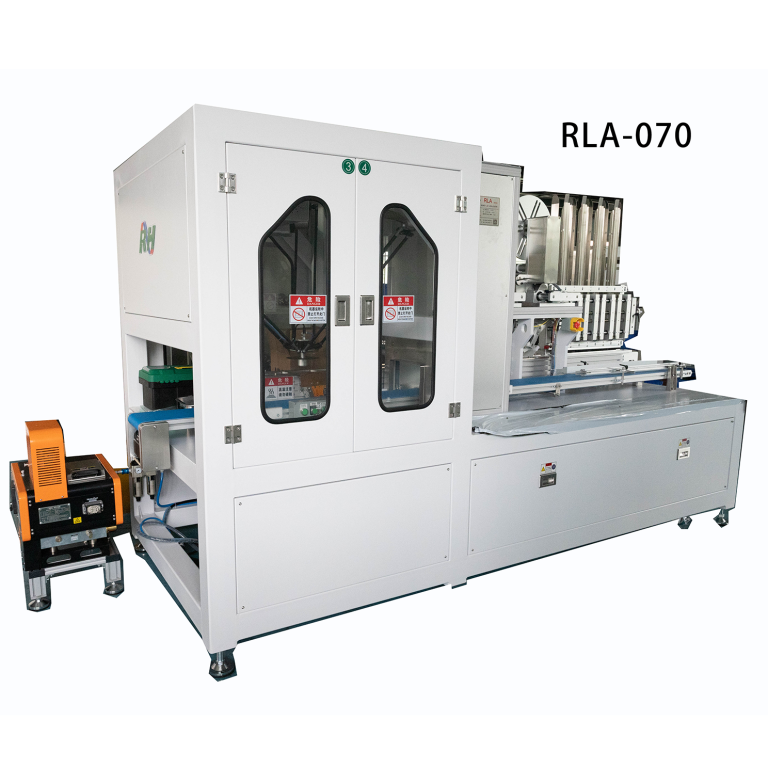
When I say automatic case packer in the second sentence, I mean the machinery tasked with turning stacks of product into neat cases — and the machine is only as good as its weakest interface with people and other systems. (Think: conveyor belts, PLC logic, and the odd sensor that refuses to behave.)
So here’s the question we should be asking: how do we compare options sensibly, spot the traps, and choose gear that keeps pace with real-world needs? I’ll walk through common pitfalls, technical fixes, and practical evaluation steps. Let’s move from the broad view to specifics — and see what matters on the factory floor next.
Part 2 — Where Traditional Solutions Fall Short (Technical Breakdown)
Why do classic packers cause so much grief?
wet wipes packaging machine vendors often pitch speed and footprint as the headline features, yet many systems trip up on routine tasks. I’ve watched lines stall because changeovers took 20–30 minutes, because sensors misread glossy film, or because a servo motor didn’t sync with the case sealer. These are not exotic failures; they are day-to-day breakdowns. We use PLCs, servo motors, and conveyor belts every day, but integration is where things crumble.
Technically, the problem is usually a mismatch between rigid machine logic and variable input. A packer built for one pack size will need fiddly adjustments to handle a batch that’s 5 mm wider. That’s when operators start to jury-rig spacers or bypass sensors — and you lose repeatability. Look, it’s simpler than you think: small tolerances and poor human–machine interfaces lead to large downtime. I’ve learnt to scrutinise changeover steps and the control panel ergonomics before anything else.
Part 3 — Future-Focused Choices and Practical Metrics
What’s Next for Case Packing?
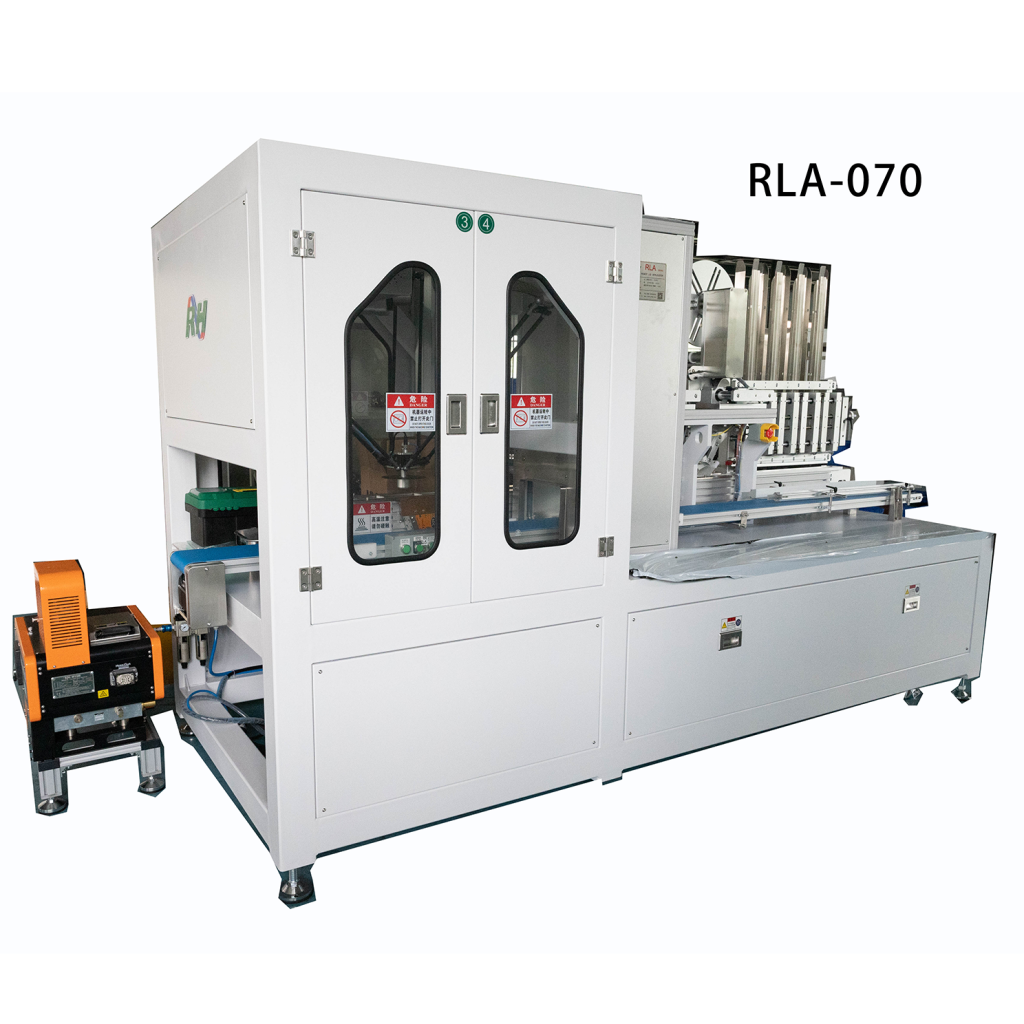
Moving forward, the right direction is modularity plus smarter controls. Modern designs marry adaptive gripping, vision-guided pick-and-place, and easier HMI screens so that a wet wipes packaging machine can shift format with minimal fuss. I see three technical principles that matter: sensor fusion (combining vision and proximity), modular feeders (quick-swap modules), and open communications (Ethernet/IP or Profinet) so PLCs and MES talk cleanly. Robotic arms and palletizers should not feel like black boxes — a simple control panel and clear diagnostics save hours.
Practically, when I advise teams I push them to test with real packs, not sample runs. Try the edge cases: slightly damp packs, misaligned stacks, and mixed batches. Notice how the machine recovers — does the vision system re-evaluate, or does the line stop until you clear a jam? Those small tests reveal more than spec sheets. — funny how that works, right?
Finally, to choose a solution I recommend three core evaluation metrics: 1) Changeover time under operator conditions (goal: under 5 minutes), 2) Mean time between faults (MTBF) measured over actual shifts, and 3) Integration simplicity — how easily the packer shares data with your ERP/MES. If those numbers look healthy, you’re buying reliability, not just speed. We’ve been through the practical and technical sides here; my view is that clarity beats hype every time. For dependable machines and support, consider checking manufacturers like ZLINK.